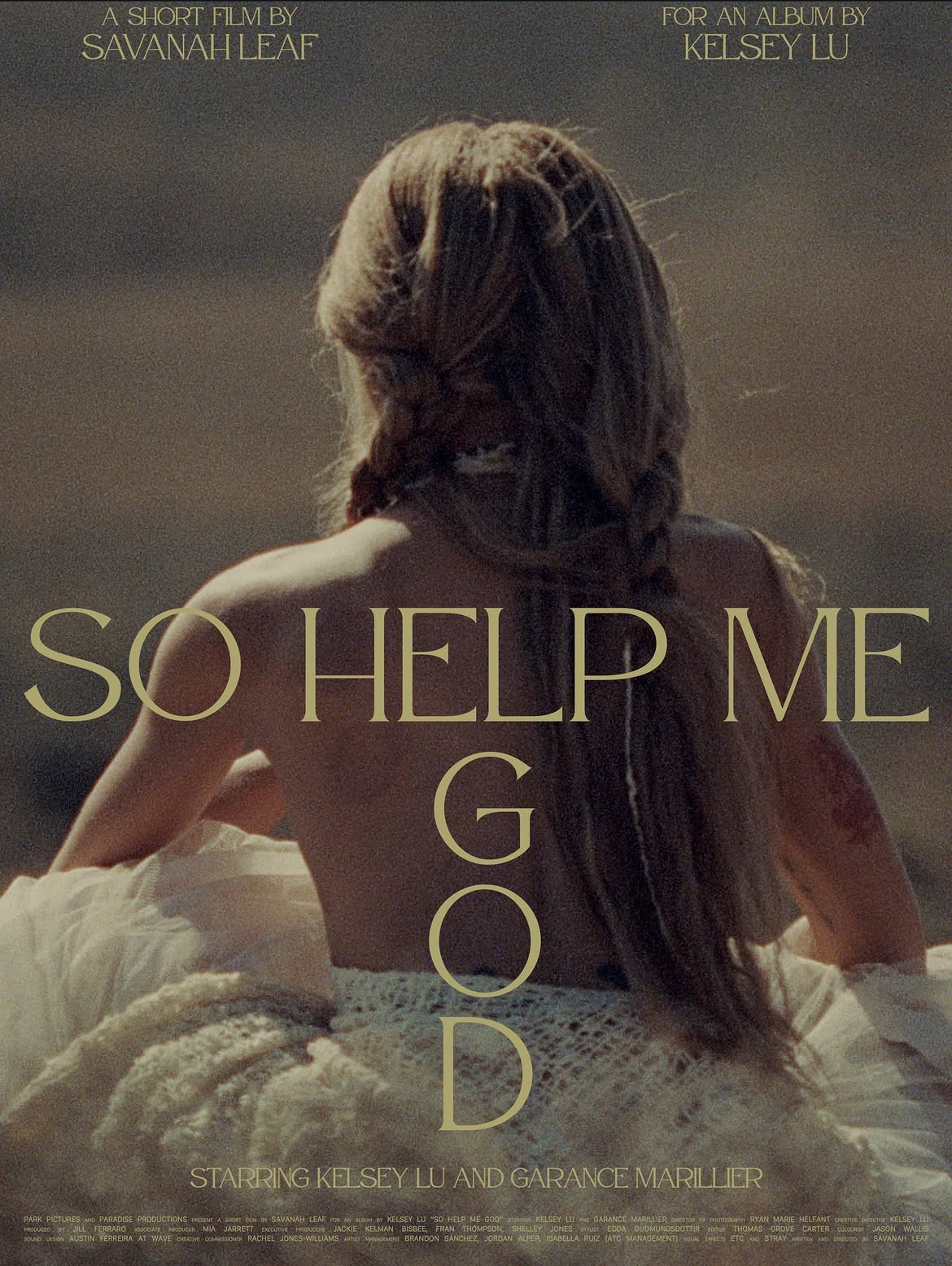







‘An intersection between Self-Discovery, Faith, Grief and Freedom’
Exploring Self-Expression, Grief, and Freedom Through Sound
The first time I listened to Kelsey Lu was in 2020. I was standing in my kitchen, casually scrolling through playlists on Spotify, convinced I knew exactly what I wanted to hear. Then Lu’s “Shades of Blue” unexpectedly slipped into my queue. Suddenly, I was captivated. My immediate thought was, where had Kelsey Lu been all my life?
What drew me in wasn’t just her experimental soundscape—it was her voice. There was something deeply magnetic about the way she carried her indie sensibilities while embracing sonic experimentation. She sounded vulnerable yet confident, clear yet emotionally exposed. Every lyric felt intentional, matching the emotional weight of her vocals. Listening to her felt like hearing a voice rise from a choir.
In Shades of Blue, Kelsey Lu blended indie folk, pop, and R&B while allowing her cello to take centre stage. Her vocals were undeniably soulful. At first, I even wondered if she was somehow connected to Solange Knowles or Beyoncé because her artistic direction and visual storytelling carried a similarly imaginative energy.
The resemblance between Lu and Solange extends beyond appearance—it exists in their artistry, their quiet confidence, and their ability to create worlds through music. She appeared both mystical and spiritual, almost witchy and church-like at the same time.
The Sound That Makes Kelsey Lu Unique

Beyond her image and song-writing, what truly captured my attention was her production style. The cello, folk-inspired percussion, atmospheric textures, and mysterious arrangements all worked together to create a distinctive sonic identity.
The kick drums, strategic pauses, finger snaps, electronic R&B influences, earthy rhythms, and choir-inspired chants reveal a meticulous approach to sound design. Songs like Due West showcase her ability to weave together traditional and contemporary influences into something transcendent. Kelsey Lu’s music doesn’t simply entertain—it creates an immersive emotional experience that feels vital within today’s musical landscape.
So Help Me God: A Bold Evolution of Kelsey Lu’s Artistry
Kelsey Lu’s latest album, So Help Me God, marks her second studio album and serves as a continuation rather than a departure from her artistic vision. It feels like the next chapter in a story she has been telling for years.
The standout track, Cutting Off the Head of a Ghost, plays like a spiritual release. It feels almost prayer-like as Lu confronts the end of an era. Her voice echoes through the production while layered background vocals respond to her repeated chant: “Cutting off the head of a ghost.”
Throughout her career, Lu has embraced vulnerability and self-discovery, and this track continues that tradition fearlessly. Sonically, the song is experimental, distorted, pop-oriented, and unmistakably indie. While her cello remains an essential part of the composition, the percussion shifts from restrained and reflective to energetic and uplifting. The transformation mirrors the song’s emotional arc, suggesting a personal ascent after confronting the ghosts of her past.
“Reaper” Opens the Album with Cinematic Intensity
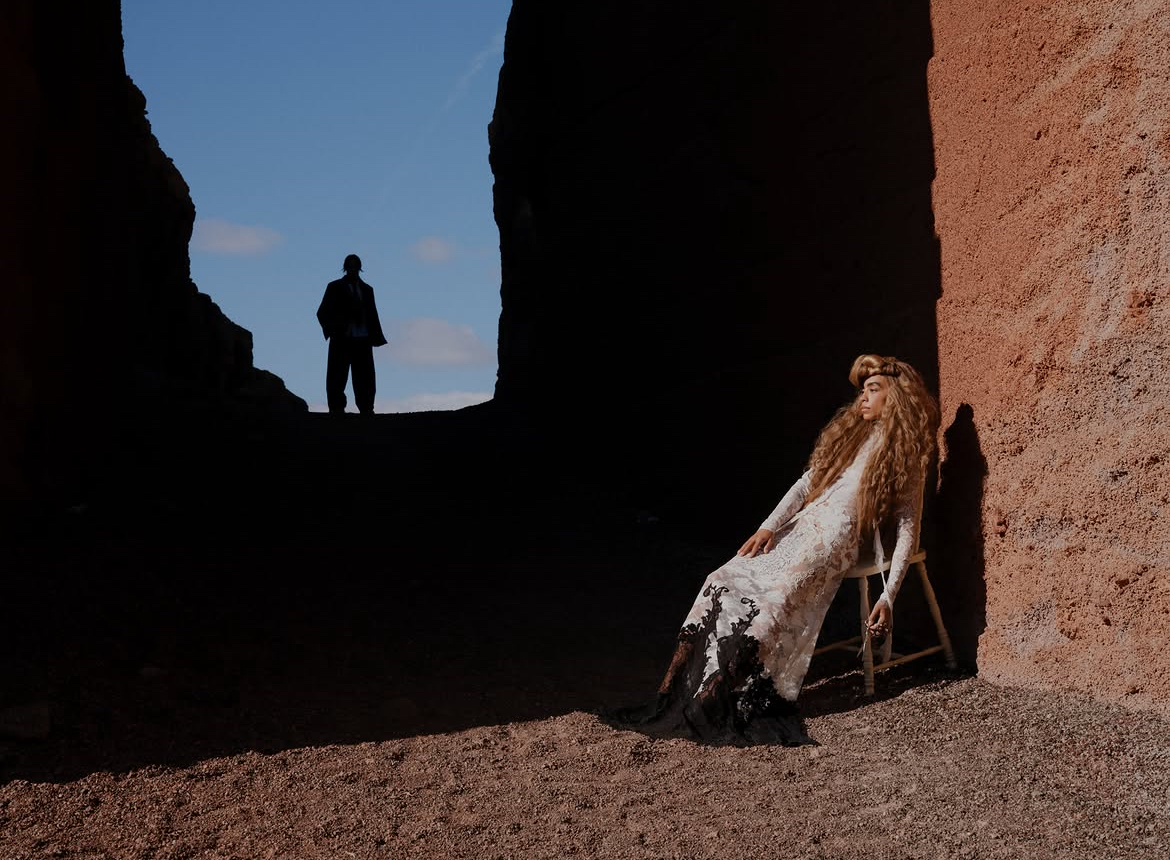
Lu begins the album with Reaper, a slow-burning introduction that immediately establishes the record’s emotional depth.
The track carries a subtle jazz influence, with brushed drums complementing her gentle vocal delivery. As the song progresses, the production evolves into a psychedelic, hip-hop-inspired groove. The saxophone emerges as a key instrument, adding cinematic tension and movement. At times, the song feels like the soundtrack to a transformative scene in a film—quietly building before revealing its full emotional power.
The song “Portrait of a Lady on Fire” embodies the pursuit of freedom.

Portrait of a Lady on Fire arrives like an angelic choir in motion. The song echoes with themes of liberation and self-realisation, supported by sweeping cello arrangements that create suspense and emotional weight.
Dramatic drums, layered guitars, and subtle electronic textures elevate the composition. Lu’s voice acts as the emotional centrepiece, transforming the song into something deeply cinematic. Every element feels carefully placed, creating the sensation of watching a powerful scene unfold on screen.
“What Can I Do” Embraces Avant-Garde Pop Experimentation
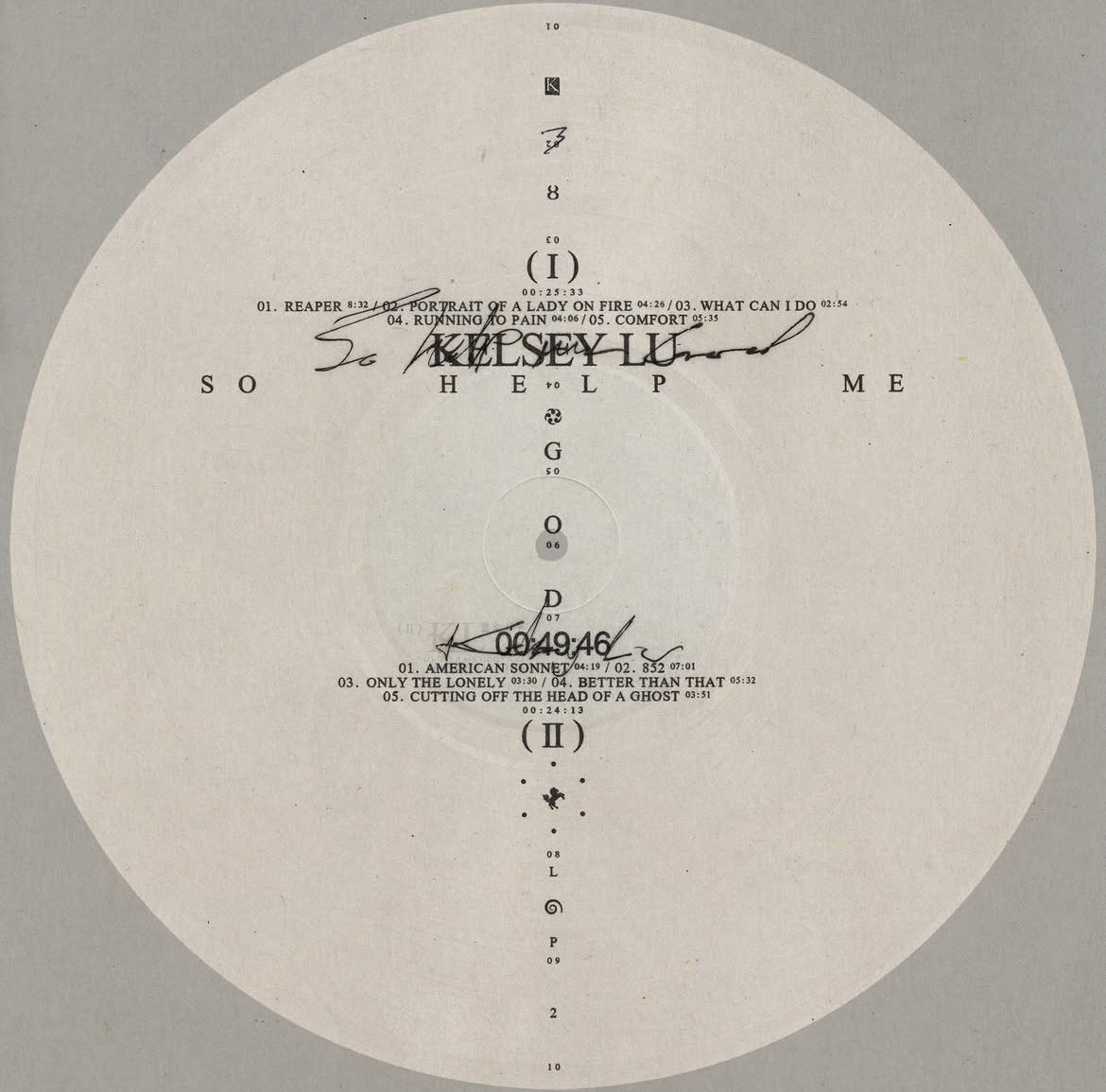
What Can I Do stands as one of the album’s most adventurous moments. Beginning with a deceptively simple pop introduction, the track gradually unfolds into an avant-garde exploration of sound.
Acoustic guitar textures blend with rhythmic movements that feel almost pendulum-like, creating a hypnotic atmosphere. The song demonstrates Lu’s willingness to push beyond conventional structures while remaining emotionally accessible.
The song “Running to Pain” exemplifies the album’s sonic connectivity.

Running to Pain leans into electronic pop influences while maintaining the album’s introspective core.
Each track on So Help Me God introduces a unique emotional landscape. From Comfort to American Sonnet, the songs may differ in mood and texture, but they remain connected through recurring sonic themes. Echoing vocals, ambient layers, and the incorporation of Japanese musical elements help create a cohesive listening experience. Despite its stylistic variety, the album never feels fragmented.
“Comfort”: Searching for Peace Amid the Noise

“Comfort” explores the theme of inner peace and the desire to quiet the noise within one’s mind. Through the lyrics, Kelsey Lu looks toward the future in search of comfort, even though she understands that she may have to fight for it. She sings about finding solace in a “cradle of fire,” perhaps suggesting the harsh truth that comfort is neither a place nor a person, but a feeling of ease and inner alignment.
Maybe comfort comes with age, but Kelsey seems uncertain whether prayers alone can provide the peace her mind longs for. Still, there is hope woven throughout the song. One of the most fascinating aspects of the track is the way its second movement is introduced by an acoustic guitar that complements her soft yet intense vocals. The drums, strings, and orchestral arrangements gradually build the song’s emotional weight.
The outro feels like rolling thunder echoing from the future—a distant choir calling through layers of folk instrumentation. Kelsey’s use of the cello, electric guitar, double bass drum, and violas creates a dark atmosphere, while the refreshing chorus offers moments of light. In the end, something has to quiet that noise.
“American Sonnet”: Identity Written in Song
On “American Sonnet,” Kelsey Lu turns inward and outward at once. The track feels like a reflection on heritage, womanhood, generational memory, and survival. Her falsetto doesn’t simply carry the melody—it carries history, longing, and the desire to be understood.
The arrangement is equally expressive. Cello, viola, and piano drift through dub-inspired rhythms that pulse like a heartbeat beneath the song’s emotional weight. Every lyric feels deliberate, delivered with a quiet confidence that gives the track its gravity.
Even at its slowest moments, “American Sonnet” never feels stagnant. Instead, it unfolds like a story being told in real time. The sudden electronic burst near the end feels almost symbolic, pushing listeners from reflection into transformation.
“852”
“852”: Learning to Let Go

“852” opens with a suspenseful atmosphere, built on distant rumbles and vibrations that immediately capture attention. Kelsey’s soaring vocal range matches the song’s emotional intensity. Her voice remains soft and airy while carrying the weight of every feeling she expresses.
The track explores heartbreak and its aftermath. It reflects on the painful process of letting go after accepting that nothing lasts forever. Even when we understand this truth, we often cling to the past because it feels familiar and safe until we’re ready to embrace what lies ahead.
The song’s beauty lies in its simplicity. The piano arrangements, Kelsey’s vocals, and the cello work together seamlessly, creating a deeply moving listening experience.
“Only The Lonely”: The Loneliness of Staying and Leaving

“Only The Lonely” explores isolation from multiple angles. It is a song about heartbreak, but it is also about the loneliness that exists within relationships long before they end.
Baroque-inspired flourishes blend with modern production, creating a sound that feels both classical and contemporary. Cellos, guitars, synthesizers, and drums move together in careful harmony, supporting Lu’s striking vocal performance.
Her delivery shifts effortlessly between vulnerability and strength. At times her voice carries a smoky richness; at others it becomes almost weightless. Through it all, she captures the ache of wanting connection while confronting the reality that some relationships cannot provide it.
“Better Than That”: Reflection and Renewal
“Better Than That” arrives with eerie sounds that resemble scenes from a horror film. A slow piano introduction emerges beneath billowing textures that feel like an ocean breeze drifting through darkness. Kelsey’s vocals intertwine beautifully with Sampha’s responsive background vocals, while violin strings and cello add emotional depth.
The dense instrumentation creates a dramatic atmosphere, occasionally approaching the intensity of soft hard rock. At times, the arrangement feels unsettling and cinematic, producing a haunting effect. A trap-inspired rhythm eventually enters the mix, accompanied by dub and R&B influences that expand the song’s sonic palette.
Lyrically, Lu turns inward, reflecting on her past while preparing herself for a new beginning. It is a song about growth, self-awareness, and moving forward.
Album Production: The Architects Behind the Sound

‘So Help Me God ‘ is a remarkable artistic achievement co-produced by Kelsey Lu, Jack Antonoff, and Yves Rothman. Aside from his work on So Help Me God, Jack Antonoff has built an impressive résumé, producing acclaimed records for artists such as Lorde, Taylor Swift, Lana Del Rey, and Sabrina Carpenter.
Many listeners first discovered Antonoff through the indie-pop band Fun., whose anthem “We Are Young” remains one of the group’s defining songs. As a frequent collaborator of Lana Del Rey, Antonoff has developed a reputation for crafting deeply emotional and immersive soundscapes.
His work on ‘So help Me God‘ is no exception. Together with Kelsey Lu, he helps create a sonic world that explores truth, vulnerability, and self-discovery. Yves Rothman also plays a significant role throughout the project, helping shape much of the album’s distinctive sound.
Laura Sisk contributed to both production and vocals, while Varg added further creative input. The album was mixed by Oli Jacobs and features contributions from artists including Sampha, Kamasi Washington, and Kim Gordon. Their combined efforts help transform ‘So Help Me God ‘ into a rich and emotionally resonant body of work.
Kelsey Lu’s Musical Journey and Nigerian Roots
Kelsey Lu is a classically trained cellist originally from North Carolina and currently based in California. Kelsey Lu’s paternal family hails from Nigeria, and she has embraced music as a significant part of her life since childhood.
She began studying instruments such as the cello, violin, and piano at the age of six. Driven by a desire to fully commit to her artistic vision, Lu eventually left the University of North Carolina School of the Arts to pursue music professionally. That decision would ultimately shape the distinctive artist she has become today.
Grief, Faith, and Rebuilding: The Meaning Behind So Help Me God
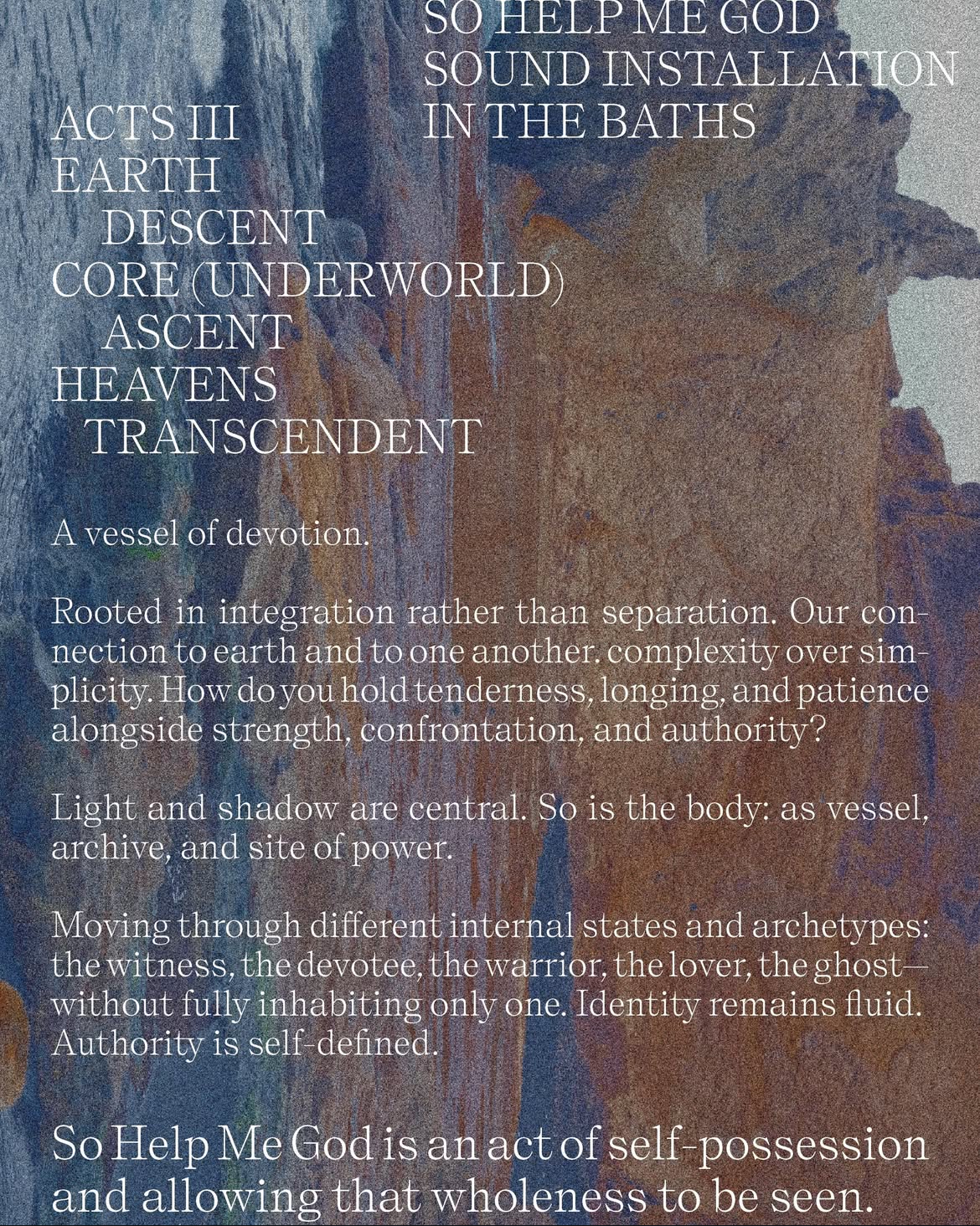
According to Kelsey Lu, So Help Me God emerges from a place of grief, spiritual questioning, and rebuilding after loss. She has described the album as a deeply personal, professional, and existential project; one that explores the tension between faith and doubt, love and autonomy, belonging and exile.
Those themes resonate throughout the record. At its core, the album reflects what it means to confront uncertainty while searching for meaning. It captures the experience of standing between different versions of yourself and choosing who you want to become.
Being an artist often requires stepping away from the noise of the world and listening to the parts of yourself that demand expression. In that sense, So Help Me God feels profoundly cathartic. It is an album about release, transformation, and self-discovery. More importantly, it demonstrates that Kelsey Lu remains one of the most fearless and innovative voices in contemporary music.



https://pitchfork.com/reviews/albums/kelsey-lu-so-help-me-god/
Rihanna Is More Than An Artwork In New Editorial!!!!
#Kelsey Lu #
So Help Me God album
#Kelsey Lu album review
#Experimental music
#Indie pop
#Avant-garde pop
#Contemporary music #
Cello-driven music
#Alternative R&B #
Music production
Image Credit: Instagram Kelsey Lu

